Blog
How Global Supply Chain Disruptions Affect Transformer Core Manufacturing
The current global supply chain system shows enhanced worldwide interconnectivity but this increased connectivity creates greater risks of system breakdowns. The combination of raw material shortages, shipping delays, increased energy prices and international political conflicts creates unpredictable effects that impact all industries.
The transformer core manufacturing sector experiences this impact as its most immediate effect. The manufacturing process needs special electrical steel which requires exact processing and time-dependent delivery systems to operate successfully.
Transformer core manufacturers experience three main challenges because supply chains suffer from disruptions, which cause price fluctuations and extended production times and increased demands for product quality control.
This guide will show you how supply chain disruptions impact transformer core manufacturing operations and what manufacturers can do to decrease their risk.

Why Transformer Core Manufacturing Is Highly Supply Chain Dependent
Transformer cores are not generic components. Instead, they are built from specific grades of silicon steel or amorphous materials and processed under strict performance requirements. If there is even a slight change in the quality of steel, thickness or coating can impact transformer efficiency and losses.
This is why transformer core manufacturing relies on a supply chain that supports:
- High-grade electrical steel availability
- Stable inbound logistics for heavy coils and laminations
- Specialized tooling and cutting equipment
- Reliable access to insulating materials and coatings
- Consistent testing and quality compliance
If any of these elements is disrupted, manufacturers won’t be able to simply swap the suppliers overnight without risking any performance issues.
Tech Sci Research reports that the Indian Electrical Steel Market had a value of USD 2.25 billion in 2025, which will grow to USD 3.83 billion by 2031 at a CAGR of 9.10% during the forecast period.
The Most Common Manufacturing Supply Chain Challenges in Transformer Core Production
Supply chain disruptions can occur in many ways. But there are some problems that hit transformer core producers more often than others. These manufacturing supply chain challenges typically include:
Electrical Steel Shortages
Since electrical steel is a globally traded commodity with limited high-quality producers, the demand can outpace supply quickly during disruptions. This happens especially when power infrastructure projects increase.
Price Volatility
Steel prices experienced fluctuations because of four main factors, which included fuel costs, currency shifts, tariffs and production capacity limits. The long-term contracts create pricing difficulties for transformer core manufacturers because of these challenges.
Shipping and Port Delays
Shipping delays can add weeks to production timelines even when materials are available. The heavyweight of transformer cores requires special handling, which creates additional difficulties for handling these materials.
Supplier Lead Time Expansion
Due to labor shortages and reduced inventory buffers, many suppliers have now shifted to longer order cycles. This tends to create pressure on manufacturers in order to forecast demand more accurately.
How Disruptions Affect Manufacturing Supply Chain Management?
Manufacturers are forced to rethink planning, purchasing and production scheduling when supply chains become unpredictable. In effective manufacturing supply chain management, the management is less about cost optimization and more about continuity.
Disruptions can affect operations in the following ways:
- Increased safety stock requirements
- More frequent re-planning of production runs
- Higher warehousing and inventory carrying costs
- Supplier qualification delays
- Greater quality inspection workload
These tend to slow down production even when a factory has capacity. This is because missing materials or delayed parts stop the workflows.
Quality Risks from Substitute Materials and Unverified Suppliers
One of the biggest problems that is caused during disruptions is the pressure to source materials quickly. So, when electrical steel availability is tightened, manufacturers get tempted to purchase from unverified suppliers or even accept substitute grades.
As a result, the following performance and compliance risks are created:
- Higher core losses due to lower-grade steel
- Increased heat generation under load
- Reduced transformer efficiency
- Higher failure risk over time
- Difficulty meeting customer specifications
The quality of the material is non-negotiable in transformer core production.
Supply Chain Risk Management Strategies That Reduce Disruption Impact
Manufacturers are adopting smarter and more structured supply chain risk management strategies in order to reduce production interruptions. These strategies focus on preventing single points of failure and improving visibility.
Some of the most effective approaches include:
- Dual sourcing for electrical steel and critical consumables
- Supplier audits and qualification programs
- Long-term procurement contracts with volume commitments
- Stronger inbound logistics partnerships
- Tracking geopolitical and commodity market risks early
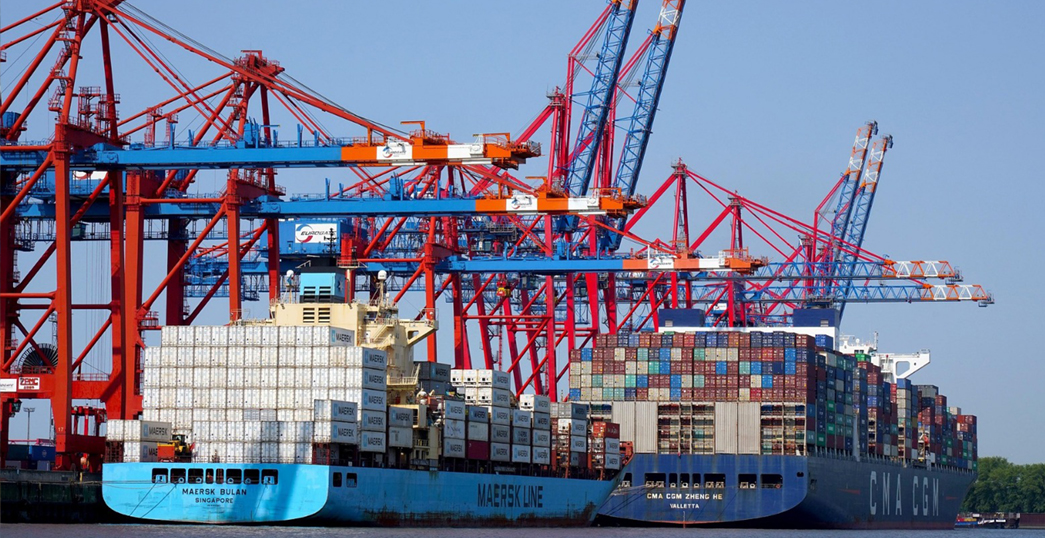
Supply Chain Resilience Strategies for Transformer Core Manufacturers
Risk management aims to decrease risks, while resilience enables organizations to recover their operations more effectively. And when manufacturers use strong supply chain resilience strategies, they keep operations moving even when disruptions become unavoidable.
Resilience measures include the following examples.
- The first, relationship-building method establishes connections between companies and their multiple freight forwarders.
- The second method involves maintaining strategic inventory for materials that present high-risk factors.
- The company needs to spend money on systems that allow it to modify production schedules whenever necessary.
The organization needs to keep backup tools and essential machine components for emergencies. The company uses demand forecasting tools that connect to its customer project pipelines. The power sector needs resilience because delivery delays of transformers affect grid upgrades, industrial expansions and renewable energy integration.
The Role of Supply Chain Management in Customer Reliability
Strong supply chain management ensures:
- Better production timeline accuracy
- More reliable customer commitments
- Reduced cost escalation from last-minute sourcing
- Improved communication during disruptions
How Mangal Helps Customers Stay Protected from Supply Chain Disruptions?
The company uses its supply chain protection methods to safeguard its customers against ongoing global disruptions that affect transformer core manufacturing. The company uses a supply method that combines stable elements with active elements to protect its customers from supply chain problems.
- The company uses multiple global CRGO mills and approved suppliers to maintain long-term relationships which secure stable raw material supplies that protect customers from supply chain disruptions.
- A large inventory of raw materials sourced from leading global mills is kept to reduce exposure to short-term market volatility and supply shortages.
- Manufacturing lead times are optimized through digital production planning systems, including SAP-based scheduling and real-time material tracking.
- A multi-source procurement strategy is followed to avoid dependency on a single supplier and minimize supply risk.
- Direct and proactive communication with customers is maintained to support accurate planning and faster coordination during critical project timelines
This approach allows customers to receive high-performance transformer core components with fewer delays, fewer uncertainties and stronger reliability even during challenging global supply conditions.
Conclusion
Today, global supply chain disruptions are no longer rare events. Instead, they have become a regular part of modern manufacturing. For transformer core producers, the impact is especially significant. This is because materials, quality standards and timelines are tightly linked.
When they invest in better forecasting, supplier diversification and structured risk planning, manufacturers are able to reduce uncertainty and protect production continuity. Also, the companies that treat supply chain resilience as a long-term strategy are going to be the ones that’ll be best positioned to support growing power infrastructure needs.